Singapore Plaza
Saddar Rawalpindi
+92-300-851-2288
Next day dispatch
Mon - Sun
11 AM - 10 PM
Online shop open 24/7
In the last decade, mobile photography has made leaps that once seemed unimaginable. At the heart of this transformation is Artificial Intelligence (AI). Whether you’re using a budget smartphone or a flagship device, AI now plays a critical role in enhancing image quality, simplifying photography techniques, and giving users tools once exclusive to professional cameras.
AI is not just a buzzword in 2025; it’s the backbone of next-generation smartphone cameras. From improving low-light performance to creating studio-quality portraits, this article explores how AI is redefining mobile photography and what it means for the average smartphone user.
One of the most notable innovations brought by AI is scene recognition. Most modern smartphones now come with built-in AI software that can identify what you’re photographing—be it food, landscapes, pets, or humans—and automatically adjust camera settings.
For instance, when you point your phone at a flower, the AI detects it and adjusts exposure, saturation, and sharpness to make the image pop. Similarly, it can recognize night scenes and switch to night mode for a better result without needing manual tweaks.
High Dynamic Range (HDR) photography has existed for years, but AI-enhanced HDR takes it to another level. AI can merge multiple exposures in real-time to preserve the highlights and shadows of a scene better than ever before.
Phones like the iPhone 15 Pro, Google Pixel 8, and Samsung Galaxy S24 Ultra use AI HDR algorithms to combine multiple frames instantly, eliminating motion blur and retaining details even in extreme lighting situations. This results in more realistic and balanced images with excellent contrast and color depth.
Low-light photography is one area where AI has made groundbreaking improvements. Night mode on modern smartphones uses AI to reduce noise, enhance brightness, and retain detail without overexposing the image.
Google’s Night Sight and Apple’s Night Mode are classic examples of AI at work. These features use machine learning models trained on thousands of images to reconstruct details in shadows and maintain natural-looking colors, all while keeping exposure balanced.
Portrait photography on smartphones has evolved from a blurry gimmick to producing DSLR-like results. AI algorithms detect human faces, hair edges, and even accessories like glasses and hats with remarkable accuracy. The result is a clean background blur or bokeh effect that looks natural and refined.
AI also helps in real-time face tracking and facial recognition, ensuring consistent focus and lighting on the subject. This is especially useful for content creators, vloggers, and selfie enthusiasts who rely on front-facing cameras.
Smartphones with AI-powered zoom can now deliver detailed images at high zoom levels, even with limited optical capabilities. AI compensates for the lack of optical zoom hardware by enhancing images algorithmically using data from multiple sensors and frames.
Devices like the Pixel 8 Pro use Super Res Zoom, which merges multiple frames and applies AI upscaling to produce crisp, zoomed-in images without pixelation. Samsung’s Space Zoom feature also utilizes AI to stabilize and sharpen images taken at high zoom.
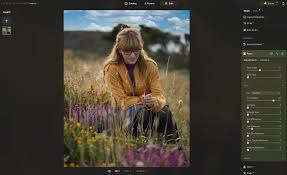
AI is not limited to capturing photos—it also revolutionizes photo editing. With just a few taps, users can apply AI-based enhancements like skin smoothing, teeth whitening, and eye brightening. These changes are subtle and realistic, avoiding the over-processed look that plagued earlier smartphones.
Apps like Google Photos and Adobe Lightroom now offer AI-based suggestions for editing—adjusting exposure, tone, and cropping to improve composition, all based on deep learning models trained on millions of images.
AI isn’t limited to still photography; it plays a massive role in video stabilization, auto-framing, and real-time enhancement. Phones can now recognize subjects in a video and adjust lighting or focus dynamically as they move.
AI-based stabilization helps eliminate shakiness without the need for gimbals, especially useful for vloggers and mobile filmmakers. Features like Auto Zoom and Cinematic Mode in iPhones or Director’s View in Samsung devices show how AI is deeply integrated into mobile videography as well.
The next frontier for AI in photography involves generative tools and real-time compositional assistance. Imagine a phone that suggests better angles, warns against poor lighting, or even repositions elements in your photo using AI scene reconstruction.
We may also see AI helping photographers simulate various lenses or camera effects—like tilt-shift, fisheye, or ultra-wide—without the physical hardware, all while maintaining realistic quality.
AI is undeniably revolutionizing the way we capture, edit, and share photos on our smartphones. What once required expensive DSLR cameras and professional editing software can now be achieved with a few taps on a phone screen. Whether you’re a casual user or a serious content creator, AI is making mobile photography smarter, simpler, and significantly more powerful.
As manufacturers continue to integrate machine learning and AI models into their camera systems, we can only expect mobile photography to become even more intuitive and advanced. The smartphone in your pocket is no longer just a phone—it’s a smart photography studio powered by artificial intelligence.
#MobilePhotography #AIinCameras #SmartphoneCameraTech #ArtificialIntelligence #CameraInnovation #LowLightAI #PortraitMode #PhotographyRevolution #AIZoom #FutureOfMobilePhotography