Singapore Plaza
Saddar Rawalpindi
+92-300-851-2288
Next day dispatch
Mon - Sun
11 AM - 10 PM
Online shop open 24/7
Using a smartphone in Pakistan’s unpredictable weather—especially during monsoon or in dusty environments—is risky if not handled with care. Rain, high humidity, and dust can damage your device, even if it’s labeled water-resistant. Knowing how to protect your phone from moisture and particles can significantly extend its lifespan and performance. This article explores practical steps to help you use your phone safely during rainy or dusty conditions.
Many smartphones now come with IP ratings, which indicate their resistance to dust and water.
Before you take your phone outdoors during unpredictable weather, check its IP rating in the settings or product specifications.
A waterproof or dustproof phone case is your first line of defense. Even high-end phones need external protection during heavy rains or sandstorms.
Investing in a good case is cheaper than repairing a moisture-damaged or short-circuited phone.
Even with protection, try not to actively use your phone while it’s raining.
If it’s an emergency, use voice commands or smart assistants (like Google Assistant or Siri) to reduce physical interaction.
One of the most common ways water damages phones is through wet charging ports.
Avoid using hairdryers or direct heat, as this can push moisture further inside or damage the internal components.
Some Android devices come with a feature called “glove mode” or “rain mode.” This makes the screen more responsive to taps and gestures even if your fingers are slightly wet or gloved.
These settings can reduce frustration when using your phone in rainy environments.
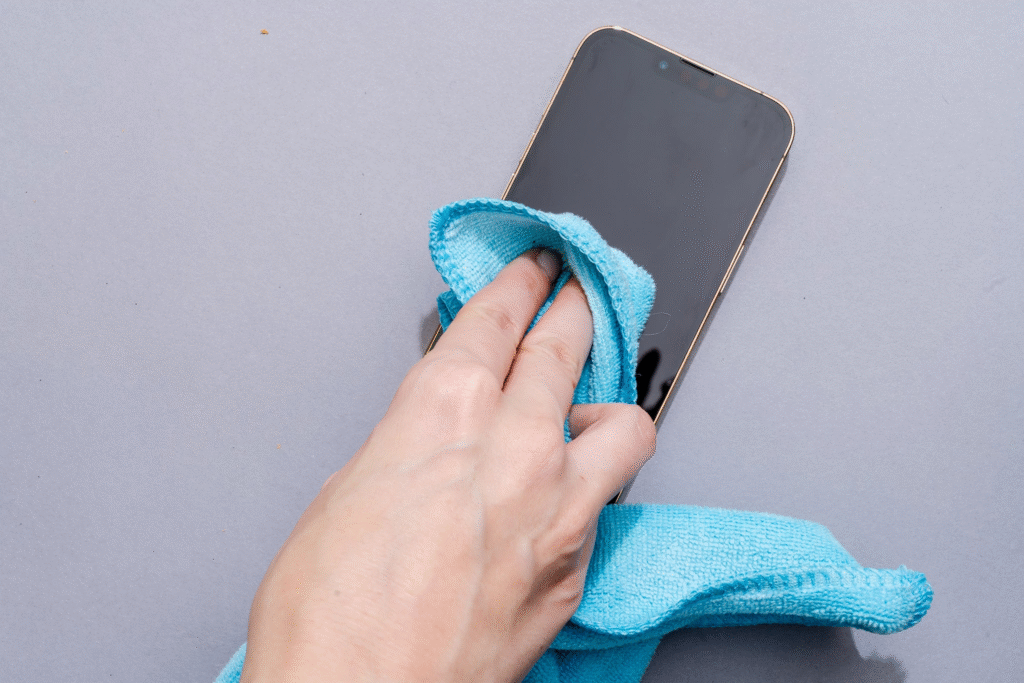
After exposure to rain or dust, always wipe your phone gently.
Routine cleaning can prevent long-term damage caused by accumulated grime or corrosion.
When it’s raining, keeping your phone in your shirt or jacket pocket puts it at direct risk of moisture.
In dusty areas, avoid open pouches or pockets where debris can easily enter.
Instead of taking out your phone to answer every call in the rain or dusty conditions:
This reduces how often your phone is exposed to rain or grime directly.
If your phone is exposed to water or excessive dust:
For dust, don’t blow hard into ports; this might push debris deeper. Instead, use soft tools designed for cleaning electronics.
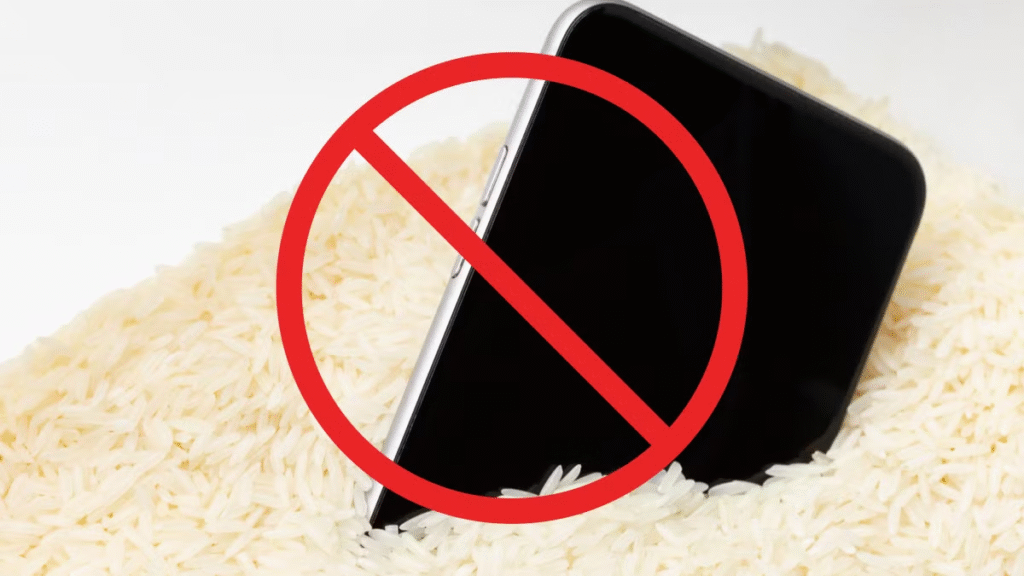
Additionally, do not put your phone in rice as the rice grains will only get stuck in your charging port, having no positive.
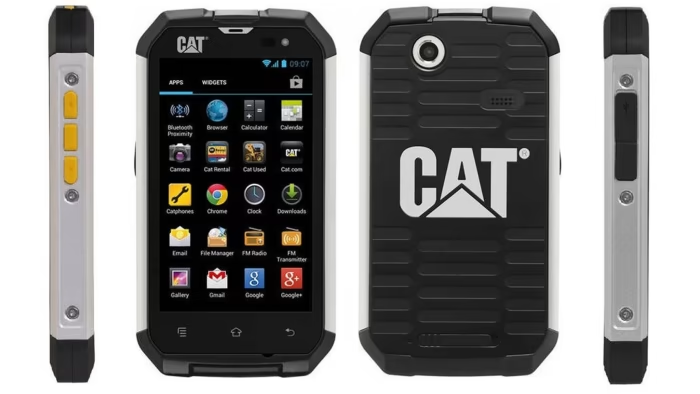
If your lifestyle or job puts your phone at constant risk—delivery services, construction, agriculture—it might be worth investing in a rugged phone.
Though bulkier, they’re ideal for people who work in challenging outdoor environments.
Conclusion
Using your phone safely in the rain or dusty areas doesn’t have to be stressful. With the right knowledge and accessories, you can protect your device and prolong its life. Always plan ahead if you know the weather will be extreme or you’ll be in high-dust zones. A little precaution goes a long way in keeping your device functional and damage-free.
#PhoneCareTips #MobileProtectionGuide #DustproofPhones #RainySeasonTechTips #SmartphoneSafetyPakistan #WaterDamagePrevention #WeatherproofYourPhone #TechTips2025