Singapore Plaza
Saddar Rawalpindi
+92-300-851-2288
Next day dispatch
Mon - Sun
11 AM - 10 PM
Online shop open 24/7
Consumers often wonder what transforms certain mobile brands into coveted premium names. Across global markets, brands like Apple, Samsung, Huawei, and some high-end offerings from Xiaomi or Oppo have successfully entered the premium segment. Consumer research and brand positioning studies show that several interrelated factors—spanning quality, psychology, pricing, and emotional resonance—build the premium image. Let’s explore what truly makes a mobile brand perceived as premium.
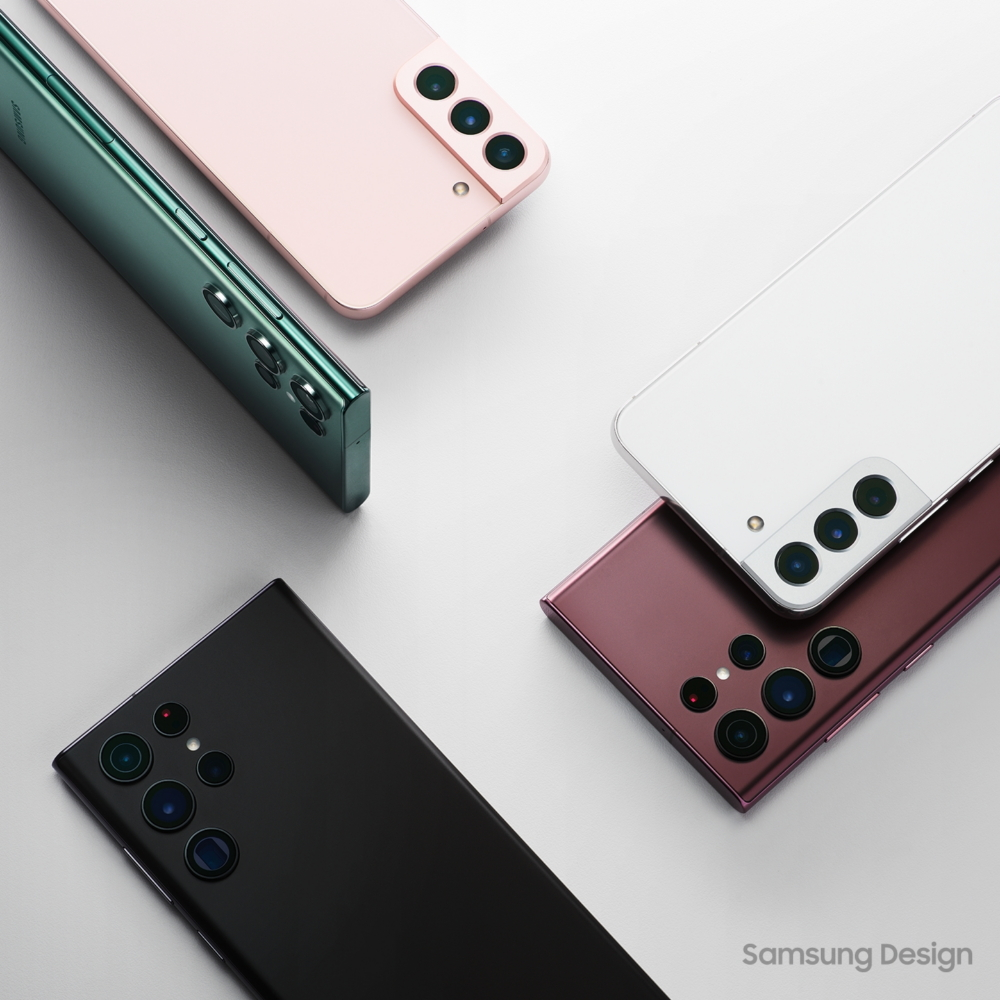
At the heart of “premium” is exceptional product quality. High-end materials like metal frames, glass backs, ceramic finishes, and refined manufacturing tolerances convey build excellence. Thoughtful and minimalist design—symmetry, subtle branding, sleek packaging, and a refined unboxing experience—reinforces premium feel. Many users highlight smooth UI, reliable hardware, attention to detail in software integration, and superior camera tuning as hallmark traits of top-tier models.
Seamless user experience and ecosystem integration also play a critical role. Premium brands often provide years of software updates, robust support ecosystems, and consistent UI performance across devices. For example, users cite Apple’s extended update support and cross-device integration as distinguishing features; similarly, Samsung’s ecosystem of wearables, payments, and services delivers coherent experience.
Pricing and premium positioning contribute directly to perception. Brands that use a premium pricing strategy signal high value and exclusivity. Even when features overlap with mid-tier models, higher prices reinforce the image of superior quality and status. Consumers often interpret higher cost as assurance of excellence and innovation—especially when brand reputation and marketing support that image.
Emotional and psychological factors drive perceived prestige. Aspirational and luxury appeal attract customers who view owning the brand as a status symbol. Many aspire to flagship brands not only for tangible benefits but for identity alignment, signaling success or modern lifestyle.
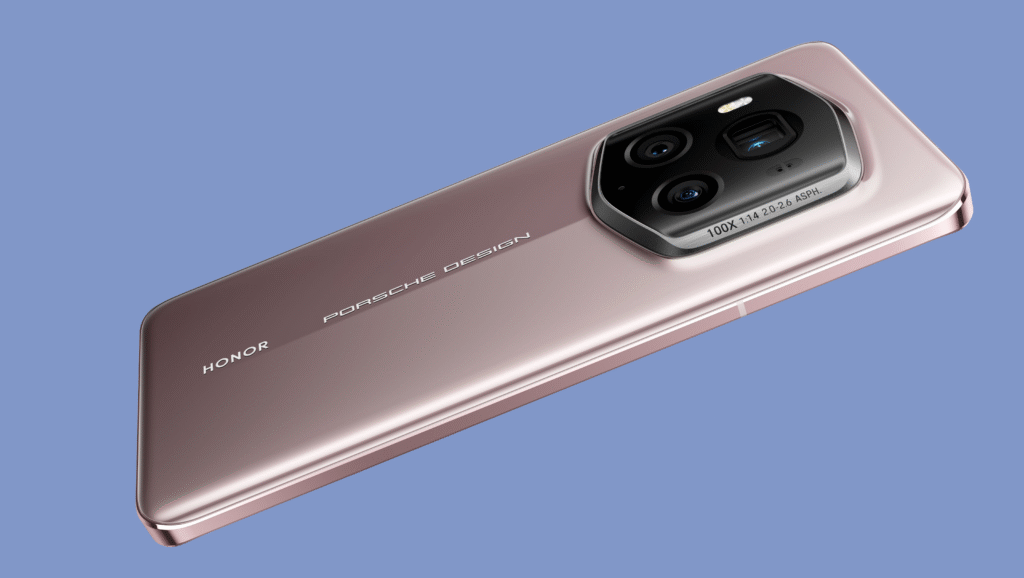
Trust, loyalty, and brand personality also shape perception. Research among Pakistani smartphone users shows that brand traits like sincerity, competence, sophistication, and ruggedness directly boost loyalty and repurchase intention. Excitement is less predictive than consistent reliability and emotional connection. In addition, transparency in brand practices—including sustainable supply chain, corporate values, and ethical manufacturing—builds trust, encouraging consumers to pay price premiums and identify strongly with the brand.
Innovation leadership and feature differentiation are essential. Premium brands often introduce leading-edge features—robotic foldable form-factors, AI experiences, advanced camera systems, or fast charging. Consumers associate these innovations with sophistication and technical leadership, reinforcing the premium image. Apple pioneered cohesive hardware-software synergy; Samsung made design leaps with glass-metal builds on its Galaxy S6 and foldable form-factor evolution.
Lastly, brand visibility and reputation amplify prestige. Brands with consistent global marketing, flagship stores, and high customer retention rates dominate consumer mindshare. Apple consistently holds a large share of the global premium segment, followed by Samsung; this dominance shapes consumer expectations and perceptions backwards—smaller brands struggle to break in despite comparable specs.
By combining these elements—superior quality and design, frictionless experience, premium pricing, brand prestige, innovation leadership, emotional loyalty, and trusted values—mobile brands cultivate a perception of premium status. It’s not a single attribute but the synergy of functional excellence and emotional resonance that elevates a brand’s standing in consumers’ minds.
In essence, a mobile brand becomes premium when customers see more than just a phone: they see reliability, identity alignment, innovation, and status. From the feel in hand to the support lifecycle, the unboxing, the brand’s values, and the ecosystem experience—all contribute to that higher-tier positioning.
Conclusion
A “premium” mobile brand stands on more than just specs. It’s built through high-quality design, smooth user experience, aspirational pricing, innovative features, emotional trust, loyal customer base, and strong brand identity. Brands that deliver consistently on these fronts earn perceived premium value—and retain customers who are willing to pay for that elevated experience.
#premiumSmartphone #mobileBrandPerception #premiumSmartphones #aspirationalBrand #innovationLeadership #brandLoyalty #brandPersonality #superiorDesign #pricingStrategy #premiumExperience