In today’s fast-paced mobile world, chargers are a basic necessity. But many users opt for fake or third-party chargers either to save money or replace a lost original quickly. While it might seem harmless at first, using a fake charger over a 30-day period can lead to major consequences — for your phone, battery life, safety, and even your wallet.
This article explores the short- and long-term impact of using counterfeit phone chargers and why original or certified alternatives are always the smarter choice.
1. Day 1–5: Everything Seems Fine
When you first plug in a fake charger, your phone probably starts charging without any issue. That’s where the danger begins. Fake chargers often replicate the physical design of original ones but skip essential safety components like voltage regulators, fuses, and heat control.
These first few days lull users into a false sense of security. However, beneath the surface, your phone may be experiencing:
- Inconsistent voltage input
- Overheating
- Unstable current supply
2. Day 6–15: Battery Health Starts to Decline
By the second week of usage, fake chargers begin to show their true impact on your phone’s battery.
- Battery Draining Faster: Instead of maintaining battery efficiency, fake chargers can damage the battery cells. This leads to faster drain even after a full charge.
- Slower Charging: You may notice that your phone takes longer than usual to charge. That’s because fake chargers deliver low amperage or unstable current.
- Battery Percentage Fluctuations: Phones may jump from 80% to 60% suddenly or shut down at 20%, a sign of poor battery calibration caused by irregular current flow.
3. Day 16–25: Heat and Hardware Damage Begin
Prolonged use of fake chargers puts both your device and safety at risk.
- Overheating Issues: Many users report their phones getting unusually warm during charging. Continuous overheating can damage internal components like the CPU or battery.
- Screen & Touch Response Problems: A fluctuation in current can cause screen glitches or delay in touch response. Sensitive parts like display ICs and charging ICs are particularly vulnerable.
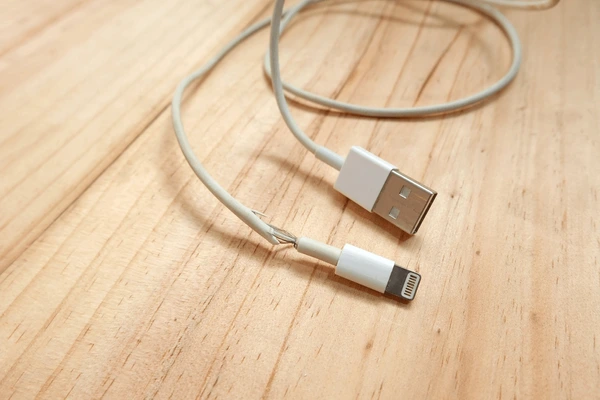
- Charger Port Damage: Counterfeit chargers don’t maintain pin alignment standards. Repeated plugging can loosen or damage the phone’s charging port.

4. Day 26–30: Permanent Damage Risk Increases
By the fourth week, your phone may face long-lasting or permanent damage.
- Battery Swelling: Prolonged use of a fake charger can lead to internal gas build-up, causing battery swelling — a dangerous sign of potential explosion or fire.
- Charging IC Failure: Once the charging IC fails, the phone might stop charging altogether. This repair is expensive and sometimes irreparable in budget devices.
- Motherboard Impact: Surges in power can affect the motherboard, leading to unexpected shutdowns, signal loss, or complete device death.
Other Risks Associated With Fake Chargers
- Risk of Electric Shock: Most counterfeit chargers lack insulation and grounding. You might experience minor shocks while touching the charger during use.
- Fire Hazard: Overheating combined with poor-quality materials increases the risk of fire, especially if left charging overnight.
- Warranty Void: Using non-certified accessories may void your device’s warranty, especially with brands like Apple and Samsung.
Why Do People Still Use Fake Chargers?
- Price: Original chargers cost more — sometimes up to 10x more — than fake ones.
- Availability: Fake chargers are readily available in local shops and online marketplaces.
- Lack of Awareness: Many users are unaware of the risks or assume “a charger is a charger.”
How to Spot a Fake Charger
- Unbranded Packaging: Original chargers come in sealed, branded packaging.
- Lightweight & Flimsy Build: Fake chargers are often made with cheap plastic.
- No Certification Labels: Look for CE, UL, or original brand certifications.
- Overheating During Use: Excessive heat is a major red flag.
- Loose Fitting: If the cable doesn’t snugly fit your phone or the socket, it’s likely fake.
What Should You Use Instead?
- Original Chargers: Always buy from authorized resellers or official websites.
- Certified Third-Party Brands: Look for MFi (Made for iPhone) or brands like Anker, Aukey, and UGREEN that comply with safety standards.
- Check Voltage & Amperage: Ensure your charger meets the power requirements of your phone.
Conclusion
Using a fake charger might save you money upfront, but over 30 days, it puts your phone at risk of overheating, battery swelling, slower performance, and even permanent damage. Don’t risk your expensive device or your safety for the sake of a few hundred rupees. Invest in original or certified charging accessories — your phone will thank you for it.
#FakeChargers #BatteryHealth #MobileSafety #PhoneDamage #ChargerTips #TechAwareness #MobileAccessories #PakistanMobileUsers