Understanding Your Dual Connectivity Options
Modern smartphones offer two primary methods for using multiple phone numbers: traditional Dual SIM (DSDS) setups and newer eSIM technology. Each approach has distinct advantages depending on your usage needs, travel habits, and device preferences.
What is Dual SIM?
- Uses two physical nano-SIM cards
- Allows simultaneous connection to two networks
- Available in two variants:
- Dual Standby (DSDS): Both SIMs active but only one can be used at a time
- Dual Active (DADS): Rare configuration allowing simultaneous calls (mostly business phones)
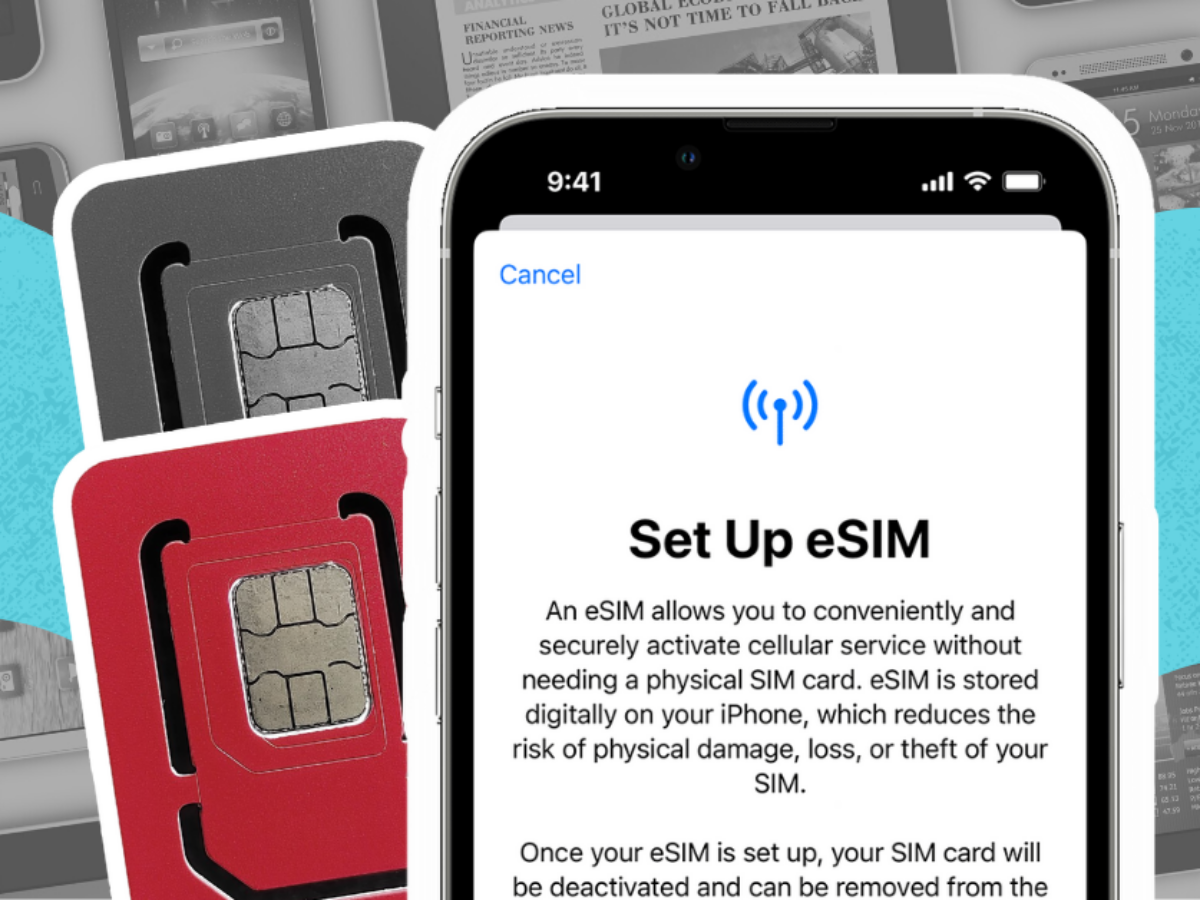
What is eSIM?
- Embedded digital SIM chip inside phone
- Stores multiple carrier profiles (typically 5-8)
- Can switch carriers without physical SIM swap
- Activated via QR code or carrier app
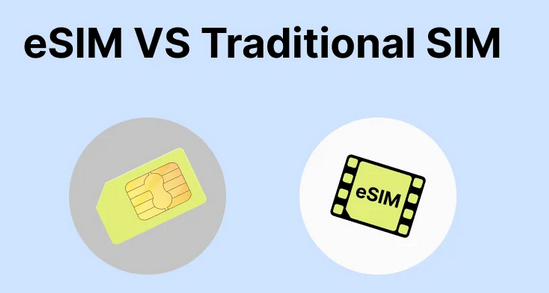
Key Comparison: Dual SIM vs. eSIM
| Feature | Dual SIM | eSIM |
|---|---|---|
| SIM Switching | Requires physical swap | Instant digital switching |
| Carrier Support | Universal | Growing but not all carriers |
| International Travel | Need local SIM cards | Remote carrier activation |
| Phone Selection | Widely available | Mostly flagships (iPhone 14+, Pixel 7+, Galaxy S21+) |
| Security | SIM jacking risk | More secure (no physical access needed) |
| Storage Capacity | 2 profiles max | 5-8 profiles |
When to Choose Dual SIM Phones
1. For Universal Compatibility
- Works with any carrier worldwide immediately
- No need to check eSIM support lists
- Ideal for:
- Rural areas with limited carrier tech
- Older phone models (pre-2018 flagships)
2. For Cost-Conscious Users
- No carrier fees for eSIM activation (some charge $10-$30)
- Easier to find cheap local SIMs when traveling
- Better for budget phones under $400
3. For Quick Number Switching
- Physical SIM swap takes <30 seconds
- No app/QR code setup required
- Preferred by:
- Sales professionals managing work/personal lines
- Frequent border crossers (US/Mexico, EU non-Schengen)
When eSIM Phones Shine
1. For International Travelers
- Add local data plans before landing via apps like Airalo
- Maintain home number while using local data
- Avoid SIM ejection tools in unfamiliar places
2. For Device Security
- No physical SIM to steal/clone
- Remote wipe capability if phone lost
- Preferred by:
- Business executives
- Journalists in sensitive regions
3. For Tech Minimalists
- No SIM trays to lose
- Cleaner phone design (no tray cutouts)
- Future-proof as carriers phase out physical SIMs
Hybrid Solutions: Best of Both Worlds
Many modern flagships offer Dual SIM + eSIM combos:
- iPhone 15 series: 1 nano-SIM + 1 eSIM
- Samsung Galaxy S23: 2 nano-SIMs OR 1 nano-SIM + 1 eSIM
- Google Pixel 7/8: 1 nano-SIM + 1 eSIM
This hybrid approach lets you:
- Keep a permanent physical SIM (primary number)
- Rotate secondary lines digitally
- Maintain backup options if eSIM fails
Critical Factors to Consider
1. Carrier Support Check
- US: All major carriers support eSIM
- Europe: Most support but some MVNOs don’t
- Asia: Patchy support (check carrier websites)
2. Phone Lock Status
- Carrier-locked phones may restrict eSIM functionality
- Unlocked models offer full flexibility
3. Usage Patterns
- Business users: eSIM for security + physical SIM for backup
- Travelers: eSIM primary + local physical SIM secondary
- Privacy-conscious: eSIM only to avoid SIM swap fraud
Step-by-Step Decision Guide
- List your carriers – Verify eSIM support for each
- Assess travel needs – How often you need local numbers
- Check phone specs – Dual SIM type (DSDS/DADS) and eSIM slots
- Consider security – Physical SIM risks vs. eSIM learning curve
- Future-proofing – eSIM is becoming standard (EU requiring by 2025)
The Verdict
Choose Dual SIM if you:
- Use obscure/local carriers
- Frequently swap SIMs between devices
- Prefer the tactile certainty of physical cards
Choose eSIM if you:
- Travel internationally often
- Value security and remote management
- Own a newer flagship phone
Hybrid Dual+eSIM phones offer the most flexibility for power users. As eSIM adoption grows (projected 64% of phones by 2027), physical SIMs will gradually become legacy technology—but for now, your best choice depends on immediate needs and carrier ecosystem.
#eSIM #DualSIM #PhoneGuide #MobileTech #TravelTech #TechComparison #SmartphoneFeatures #CarrierOptions #FutureOfPhones #Connectivity