Your smartphone’s display faces constant threats from keys, sand, and accidental drops. But does that thin layer of glass or plastic genuinely shield your investment? The answer is yes – when you choose the right type, install it correctly, and understand its realistic capabilities and limitations.
How Screen Protectors Function: More Than Scratch Prevention
Screen protectors act as a sacrificial barrier between your phone’s display and external hazards. During impacts or abrasion, the protector absorbs damage that would otherwise reach your actual screen:
- Tempered glass shatters upon impact, dissipating energy
- Flexible TPU/PET films absorb shocks and “self-heal” minor scratches
- All types preserve your phone’s original oleophobic (oil-repellent) coating
The Scratch Reality: Why “Toughened Glass” Phones Still Need Protection
While modern phones use strengthened glass like Gorilla Glass Victus, they remain vulnerable to quartz sand (harder than phone glass on the Mohs scale). Common in pockets, beaches, and urban environments, sand causes fine scratches that degrade display clarity and resale value. Quality screen protectors offer a harder surface (Mohs 8+) that sacrifices itself to preserve your factory screen.
Impact Protection: Beyond Marketing Claims
Though no protector guarantees survival from extreme drops, tempered glass significantly improves impact resistance by:
- Slowing force transmission to the underlying display
- Distributing stress across the surface
- Working synergistically with cases (raised edges ensure protector hits first)
Table: Screen Protector Effectiveness Comparison
| Type | Scratch Protection | Impact Resistance | Feel/Clarity | Best Use Case |
|---|---|---|---|---|
| Tempered Glass | Excellent | Excellent | Near-original | Maximum protection |
| TPU Plastic | Good (self-healing) | Moderate | Slightly rubbery | Curved screens |
| PET Plastic | Fair | Minimal | Stiff/thin | Basic scratch prevention |
| Liquid Nano | None | None | Invisible | Not recommended |
Key Benefits Beyond Physical Protection
- Resale Value Preservation: Scratch-free screens increase resale value by 15-30%
- Oleophobic Renewal: Replaceable protectors restore fingerprint resistance
- Special Features: Anti-glare models reduce eye strain; privacy filters block side views
- Psychological Assurance: Use your phone freely without constant anxiety
Critical Limitations to Understand
Screen protectors cannot:
- Protect against edge/corner drops (requires case with raised bezels)
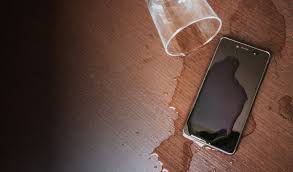
- Prevent water damage
- Guarantee survival from high-impact concrete drops
- Feel identical to bare glass (cheap options reduce touch sensitivity)

Choosing and Using Protectors Effectively
- Prioritize Tempered Glass: Opt for 0.33mm thickness brands like amFilm or Zagg
- Ensure Case Compatibility: “Full-coverage” models prevent lifting with cases
- Install Perfectly:
- Clean screen with alcohol wipes
- Use dust stickers and alignment frames
- Apply in steamy bathroom to reduce airborne dust
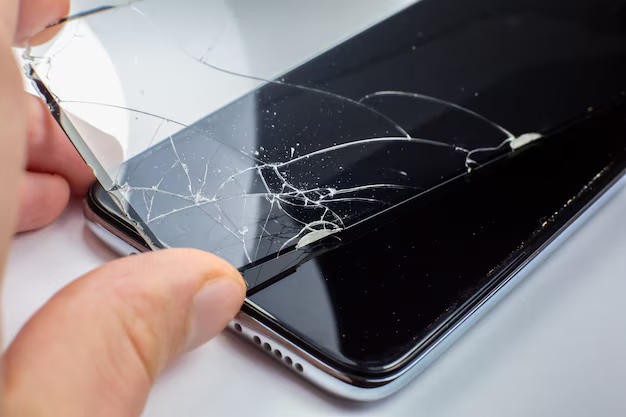
- Replace When Damaged: Cracks compromise structural integrity
The Verdict: Essential Protection
Screen protectors work effectively as part of a comprehensive defense strategy. Paired with a quality case, a tempered glass protector reduces screen repair risk by up to 80% – making the $10-$40 investment exponentially cheaper than a $150-$400 screen replacement. While not indestructible, that engineered layer is your display’s first line of defense against daily hazards.
#ScreenProtector #PhoneProtection #TemperedGlass #TechTips #PhoneAccessories #GorillaGlass #SmartphoneCare #DIYTech #PhoneSafety #ScreenProtection