Android is known for its flexibility and customization, and a big part of that experience comes from Android “skins” – user interfaces built on top of the base Android OS by smartphone manufacturers. In 2025, some of the most popular Android skins include MIUI (Xiaomi), One UI (Samsung), ColorOS (OPPO), Realme UI, Funtouch OS (Vivo), and OxygenOS (OnePlus). But which one offers the best performance, features, and user experience for Pakistani users?
This comparison breaks down the top Android skins and highlights what sets them apart.
1. MIUI (Xiaomi, Redmi, POCO)
Overview:
MIUI is Xiaomi’s customized Android skin, now in version MIUI 15, with a feature-rich interface that caters to both casual and power users.
Strengths:
- Highly customizable with themes, fonts, icons, and gestures
- Built-in apps like Security, Cleaner, Mi Share
- Dual Apps and Second Space for privacy and multiple logins
- Good battery optimization
Weaknesses:
- Ads in system apps can be intrusive, although less aggressive in newer versions
- Slightly heavy interface can slow down budget devices
Best For:
Budget-conscious users who want flagship-like features.

2. One UI (Samsung)
Overview:
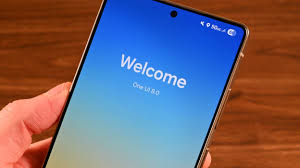
Samsung’s One UI is one of the most polished and user-friendly Android skins. It balances aesthetics and productivity perfectly, especially on larger screens like foldables.
Strengths:
- Clean, modern design with focus on one-handed usability
- Good software update cycle
- Deep integration with Samsung apps like Samsung Notes, Samsung Pay
- Great support for multitasking, DeX, and S Pen
Weaknesses:
- Pre-installed apps (bloatware)
- Heavier than stock Android
- Limited customization compared to MIUI or ColorOS
Best For:
Users who want a premium, stable, and polished experience.
3. ColorOS (OPPO)
Overview:
ColorOS powers OPPO devices and shares its base with Realme UI. It has evolved into a highly aesthetic and performance-oriented skin.
Strengths:
- Elegant design with beautiful animations
- Smooth performance on mid-range and flagship devices
- Useful features like FlexDrop, Smart Sidebar, Private Safe
- Customizable always-on display and themes
Weaknesses:
- Updates not as fast as Samsung or Google
- Notification management can be inconsistent
- Some bloatware still present
Best For:
Style-conscious users who want a smooth and visually rich UI.

4. Realme UI (Realme)
Overview:
Realme UI, a spin-off from ColorOS, is optimized for Realme’s aggressive pricing model and focuses on clean visuals and smooth interactions.
Strengths:
- Fast and lightweight
- Gamer-friendly with features like Game Space
- Clean UI with fewer ads than MIUI
- Improved update support with Realme UI 5.0
Weaknesses:
- Still inherits some ColorOS limitations
- Design feels less premium compared to One UI
Best For:
Young users and gamers on a budget.

5. Funtouch OS (Vivo)
Overview:
Once criticized for being bloated and iOS-like, Funtouch OS has seen major improvements and is now much closer to stock Android.
Strengths:
- Fast and optimized for Vivo’s camera tech
- Newer versions are lightweight and cleaner
- Good multitasking features
- Integration with Vivo’s photography software
Weaknesses:
- Update rollout is slow
- Some unnecessary pre-installed apps
- UI design still lacks maturity compared to competitors
Best For:
Photography enthusiasts who want a balanced, functional interface.

6. OxygenOS (OnePlus)
Overview:
Once hailed as the closest thing to stock Android, OxygenOS now shares its codebase with ColorOS. While purists miss the old version, OxygenOS still offers fast performance and smooth experience.
Strengths:
- Clean, near-stock UI with less bloatware
- Fast animations and transitions
- Regular security patches
- Ideal for developers and advanced users
Weaknesses:
- Features overlap with ColorOS may confuse users
- Community backlash over design changes
- Some stability issues in updates
Best For:
Power users and fans of minimalist Android.
Comparison Summary:
| Feature | MIUI | One UI | ColorOS | Realme UI | Funtouch OS | OxygenOS |
|---|---|---|---|---|---|---|
| Customization | Very High | Moderate | High | Moderate | Moderate | Low |
| Performance | Good | Excellent | Excellent | Good | Good | Excellent |
| Updates | Average | Excellent | Moderate | Good | Average | Good |
| Battery Life | Optimized | Balanced | Optimized | Optimized | Balanced | Optimized |
| Ads/Bloatware | Yes | Some | Some | Few | Moderate | Minimal |
Conclusion: Which Android Skin Should You Choose in 2025?
- Choose MIUI if you love personalization and feature-rich UI on a budget.
- Go for One UI if you want a polished, stable, and productivity-focused interface.
- Pick ColorOS if you prefer elegant design and animation-rich experiences.
- Select Realme UI for a lightweight, game-optimized skin.
- Opt for Funtouch OS if you’re into mobile photography and simplicity.
- Choose OxygenOS for a fast, near-stock Android experience.
The best Android skin comes down to your personal preference and priorities—whether it’s performance, design, features, or update frequency.
#AndroidSkins #MIUIvsOneUI #ColorOSReview #RealmeUI #FuntouchOS #OxygenOS2025 #BestAndroidExperience #AndroidPakistan #SmartphoneUI