In 2025, fast charging technologies like Qualcomm Quick Charge, USB-PD, and proprietary systems from Samsung, OnePlus, and others are now standard. These chargers can replenish a phone’s battery from zero to 100 percent in under an hour. But are they silently damaging your device over time? Let’s examine what research and experts say—and how best to balance speed with battery health.
Understanding Fast Charging
Fast charging works by increasing the current or voltage (or both), filling more juice into your battery faster than conventional 5–10 W adapters. While convenient, this rapid power delivery can generate extra heat. That heat, along with chemical stress from rushing lithium ions, is the source of long-term wear on phone batteries.
What the Science Says
Lithium Plating and SEI Growth
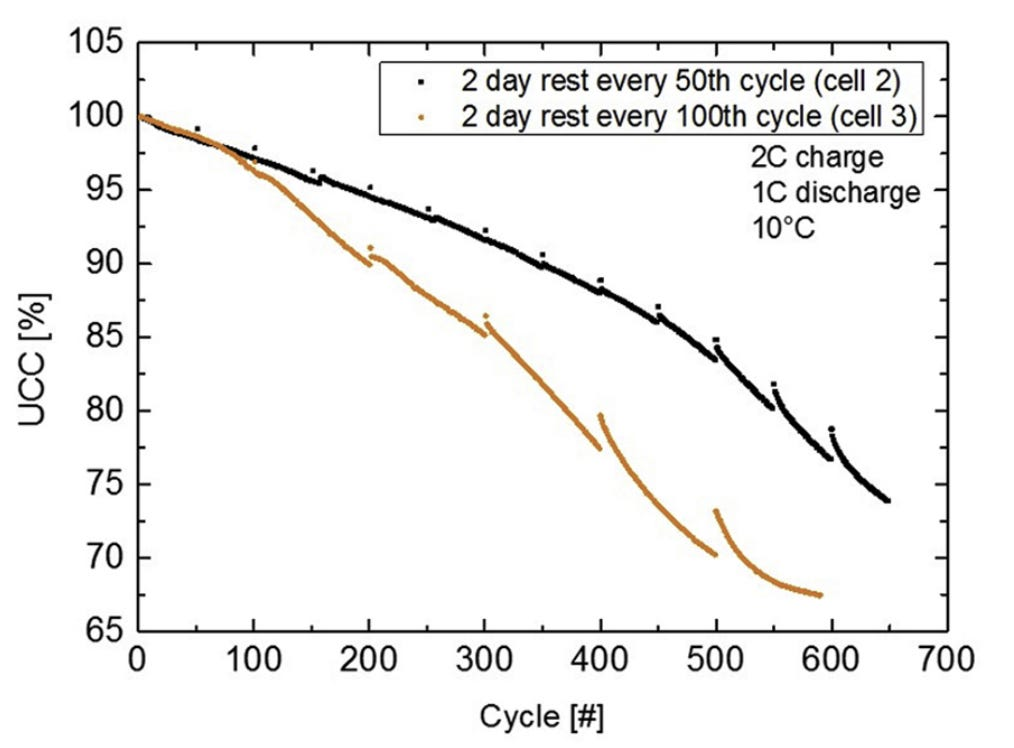
Battery studies have shown that fast charging—particularly at high currents—can cause lithium plating on graphite anodes early in the life of the battery. Over time, this leads to degradation in capacity. As the battery ages, further capacity loss occurs due to solid electrolyte interface (SEI) layer growth.
Quantifying Degradation
Scientific research indicates that high I/O charging speeds do reduce battery lifespan, although the impact depends on battery chemistry, temperature, and charging frequency. One study shows that frequently charging faster than the ideal 2-hour charge window leads to noticeable capacity loss .
Heat as the Main Culprit
Heat—and not the speed itself—is the key factor in battery degradation. Temperature increases during fast charging accelerate chemical breakdown inside lithium-ion cells. One practical source recommends that the optimal charging range is 20–90 percent SOC (State of Charge), combined with moderate charging speeds.
Real-World Perspective
Reddit users and smartphone communities conclude that fast charging is generally safe as long as the device remains cool. One user in a Poco forum stated:
“A fast charging phone will last more or less the same as a slower charging one… what is bad is using your phone while charging.”
Other analyses compare battery wear in phones with fast vs slow charging, showing minimal differences under typical usage—strongly influenced by usage habits more than charging methods.
Practical Advice for Users
Based on studies and manufacturer guidelines, here’s how to balance speed and battery preservation:
1. Alternate Between Fast and Standard Charging
Use fast charging when you’re in a hurry, but switch to slower chargers overnight. This reduces heat accumulation and chemical stress .
2. Avoid Charging in Extreme Temperatures
Charging in hot or cold environments increases battery wear. Aim to charge in cool, ventilated spaces and remove phone cases to aid heat dispersion .
3. Keep State of Charge Between 20 and 80 Percent
Staying within a mid-range SOC reduces stress on battery electrodes. Avoid 0 percent or full 100 percent charges whenever possible .
4. Don’t Use the Phone While Charging
Using data-heavy apps or games during fast charging generates additional heat, compounding battery stress .

5. Use Certified Chargers
Ensure your charger supports standards like USB-PD or Quick Charge. Official or well-rated third-party adapters are better than generic, uncertified models .
Weighing Convenience Against Longevity
A study involving electric vehicle batteries equivalent to mobile shows that vehicles using fast charging exclusively retained 70 percent capacity after tens of thousands of miles, versus 75 percent for slow-charged vehicles. Applied to smartphones, this suggests modest losses over years—not catastrophic, but measurable if you keep your phone for a long time.
For most users, annual degradation differences are small. A moderate SOC strategy and occasional fast charges let users enjoy convenience without major battery penalties.
Safe Fast Charging in 2025
Smartphone manufacturers have added multiple safeguards, including:
- Internally monitoring heat and current
- Switching to trickle or slow charging near full charge
- Disabling top-end charging in hot conditions
These protections help minimize fast-charge harm
Conclusion
Fast charging is neither inherently harmful nor a cure-all. It does introduce stress, particularly in heat, but modern safeguards, alternate charge patterns, and avoiding extreme conditions can mitigate most damage. If you value battery lifespan and intend to keep your phone for years, integrate occasional fast charges with more sustainable charging habits.
That way, you’ll enjoy both convenience and durability.
#FastCharging #BatteryHealth #SmartphoneCare #PhoneChargingTips #BatteryLongevity #TechGuide2025