In the ever-evolving world of smartphones, two features that have significantly transformed user interaction are 3D Touch and Haptic Feedback. These technologies not only enhance the tactile experience but also improve the overall usability of mobile devices. While they may seem like subtle upgrades, their impact on functionality, navigation, and engagement is considerable. Let’s delve into how 3D Touch and Haptic Feedback work, and why they matter to your everyday phone experience.
What is 3D Touch?
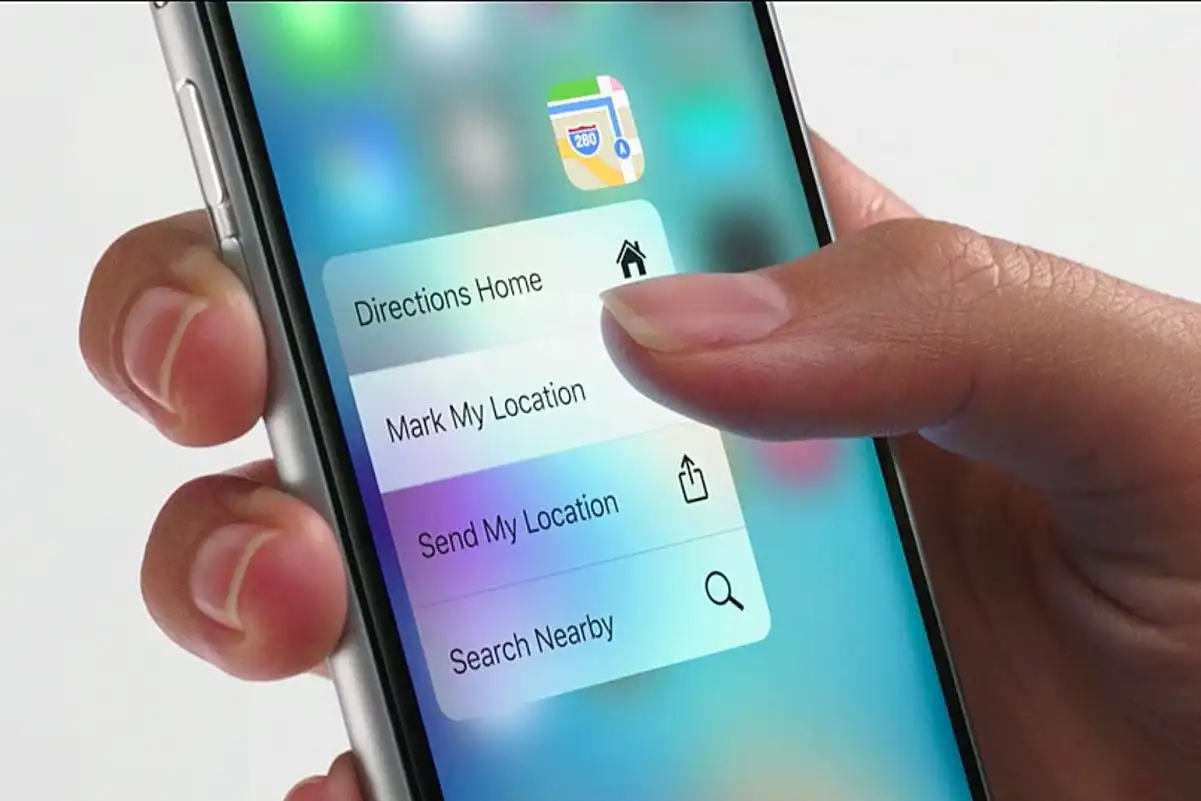
3D Touch is a pressure-sensitive technology first introduced by Apple in the iPhone 6s. It allows your smartphone to distinguish between different levels of pressure on the screen. For instance, a light tap might open an app, while a harder press could bring up a contextual menu or a preview window. This enables quicker navigation, multitasking, and greater control over functions without cluttering the screen.
Key Benefits of 3D Touch
- Enhanced Navigation:
With 3D Touch, users can access features like “Peek and Pop” — a light press lets you preview an email or message, and a deeper press opens it fully. This saves time and improves multitasking efficiency. - App Shortcuts:
Pressing firmly on app icons can bring up shortcuts directly from the home screen. For example, pressing the Camera icon may give options like “Take Selfie” or “Record Video” instantly. - Improved Gaming Controls:
Gamers can benefit from pressure-sensitive controls for precision movements or actions within games. This creates a more immersive and responsive gaming experience.
Understanding Haptic Feedback
Haptic Feedback, also known as tactile feedback, uses vibrations to simulate a physical response when interacting with the screen. When you type, press a button, or activate a function, your phone gives a subtle vibration that mimics the sensation of touching a real object.
This feedback is generated by a small motor inside the phone called a Taptic Engine (Apple) or a haptic motor in Android devices. It doesn’t just make the phone vibrate—it gives a refined, specific response depending on the context.
How Haptic Feedback Improves User Experience
- Realistic Interaction:
The gentle vibration when typing or switching settings enhances the illusion of a physical button press, which feels more natural and responsive. - Accessibility:
Haptic feedback is particularly useful for visually impaired users. It provides confirmation that a touch action has been registered, improving usability and confidence. - Enhanced Notifications:
Instead of loud sounds or intrusive pop-ups, haptics can notify users of calls, messages, or alerts subtly and effectively, especially in quiet environments. - Gaming Immersion:
In mobile games, haptic feedback adds another sensory layer. Feeling the recoil of a virtual gun or the thud of a character landing improves gameplay immersion.
The Synergy of 3D Touch and Haptic Feedback
When combined, 3D Touch and Haptic Feedback create an intuitive and seamless experience. For example, when you apply pressure to activate a 3D Touch function, a haptic response confirms your action. This blend of tactile input and sensory feedback reduces the learning curve, enhances precision, and increases satisfaction.
This synergy is particularly evident in applications like photo editing, where pressing and holding on a portion of the screen can trigger specific tools, with haptic feedback confirming each selection. Similarly, in navigation apps, pressing down on a location to drop a pin or initiate directions is more satisfying with tactile confirmation.
Future of Touch and Feedback Technology
Though Apple eventually phased out 3D Touch in favor of Haptic Touch, the idea of pressure-sensitive interaction remains influential. Android phones, too, are integrating more advanced haptic engines to refine the touch experience.
Expect to see future developments such as adaptive haptics that respond to environmental noise or personal preferences, and expanded pressure sensitivity for creative applications like sketching or virtual sculpting.
As AR (augmented reality) and VR (virtual reality) technologies advance, haptics will play a central role in bridging the gap between the physical and digital worlds. Imagine feeling the contours of a product you’re shopping for online or getting feedback from virtual tools as if they were real.
Why It Matters to You
For everyday users, these technologies translate to:
- Faster, more efficient interaction with your phone
- A more satisfying and responsive feel
- Improved gaming and app experiences
- Better accessibility and usability
In a market saturated with smartphones offering similar features, 3D Touch and Haptic Feedback can be deciding factors for users seeking a more interactive and refined experience.
Conclusion
3D Touch and Haptic Feedback may not be flashy selling points, but they significantly influence how we interact with our devices. They make digital interfaces feel more human, bridging the gap between touch and response. As these technologies evolve, their integration into apps, games, and user interfaces will continue to redefine what it means to touch and feel in the digital age.
#3DTouch #HapticFeedback #SmartphoneTechnology #UserExperience #MobileInnovation #TouchscreenTech #DigitalInteraction #HapticsInGaming #AppleTapticEngine #AndroidHaptics