Smartphones have undergone a dramatic transformation since their inception, evolving from bulky communication devices into sleek, multifunctional gadgets that dominate modern life. This article explores the key milestones in smartphone design, highlighting technological advancements, shifting consumer preferences, and industry trends that have shaped their evolution.
The Early Days: Bulky Beginnings (1990s – Early 2000s)
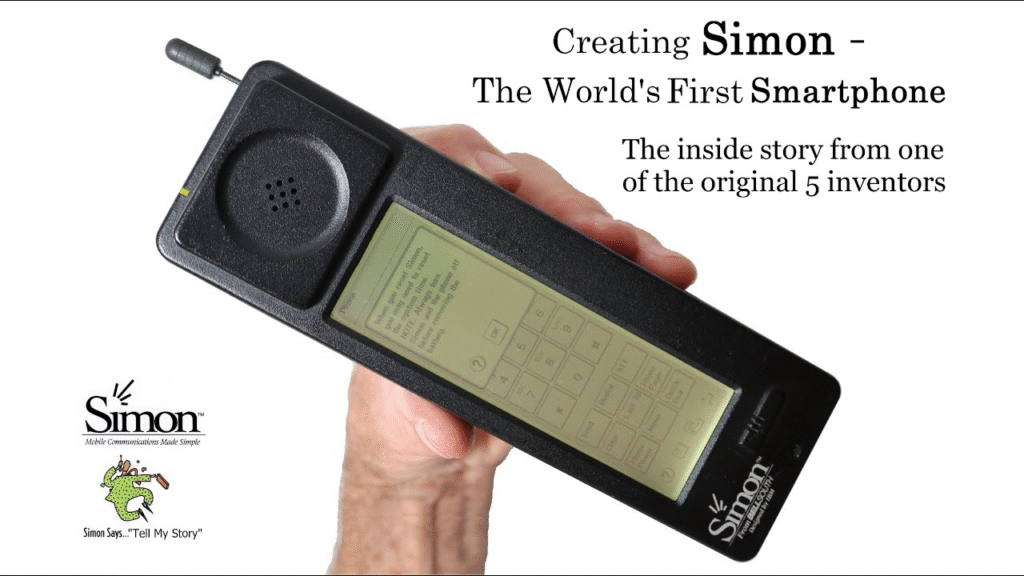
The first smartphones were far from the slim, touchscreen devices we know today. The IBM Simon Personal Communicator (1994) is widely considered the first smartphone, featuring a monochrome LCD touchscreen, stylus input, and basic PDA functions. However, its bulky design and limited battery life made it a niche product.
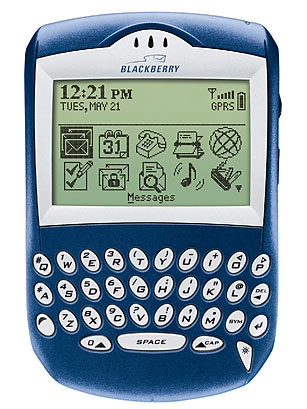
In the early 2000s, brands like Nokia, BlackBerry, and Palm dominated the market with physical keyboards, small screens, and durable builds. The Nokia 9000 Communicator (1996) and BlackBerry 6210 (2003) were popular among professionals for their email capabilities and QWERTY keyboards.
The Touchscreen Revolution (2007 – 2010)
The launch of the iPhone in 2007 marked a turning point in smartphone design. Apple’s minimalist, button-less design, capacitive touchscreen, and intuitive iOS interface set a new standard. Competitors quickly followed, with Android phones like the HTC Dream (2008) introducing slide-out keyboards before fully embracing touchscreens.
This era saw:
- Thinner, lighter designs
- Larger, higher-resolution displays
- The decline of physical keyboards
- Introduction of app ecosystems
The Era of Big Screens & Slim Bezels (2011 – 2016)
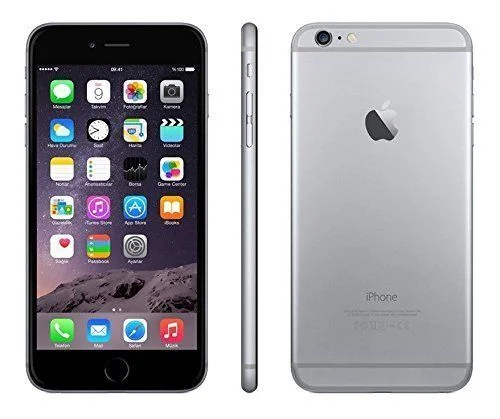
As media consumption grew, so did screen sizes. The Samsung Galaxy Note (2011) popularized phablets, blending phone and tablet functionality. Meanwhile, Apple’s iPhone 6 (2014) introduced a larger form factor, responding to consumer demand.
Manufacturers experimented with:
- Curved displays (Samsung Galaxy Edge series)
- Metal and glass unibody designs
- Fingerprint sensors (iPhone 5S, 2013)
- Water and dust resistance (Sony Xperia Z, 2013)
The Modern Age: Bezel-less & Foldable Phones (2017 – Present)
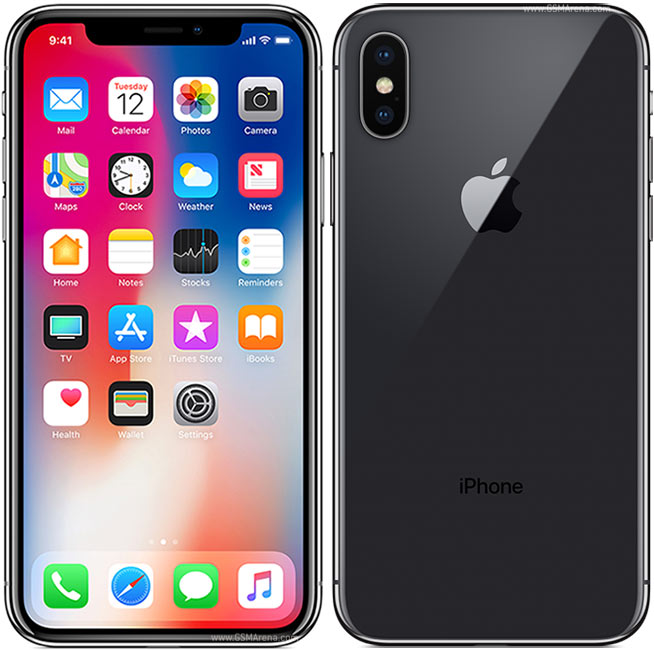
The iPhone X (2017) eliminated the home button, introducing Face ID and an edge-to-edge OLED display. Competitors adopted notch, punch-hole, and under-display cameras to maximize screen space.
Recent innovations include:
- Foldable phones (Samsung Galaxy Z Fold, Huawei Mate X)
- High-refresh-rate displays (120Hz, 144Hz)
- 5G integration
- Sustainable materials (recycled metals, bio-resins)
The Future: What’s Next?
Emerging trends suggest:
- Rollable and stretchable displays
- AI-enhanced user interfaces
- Advanced haptic feedback
- Modular and repairable designs
Smartphone design will continue evolving, balancing aesthetics, functionality, and sustainability.
#SmartphoneEvolution #MobileDesign #TechHistory #iPhone #Android #FoldablePhones #FutureTech #SmartphoneTrends #MobileInnovation #5GPhones